
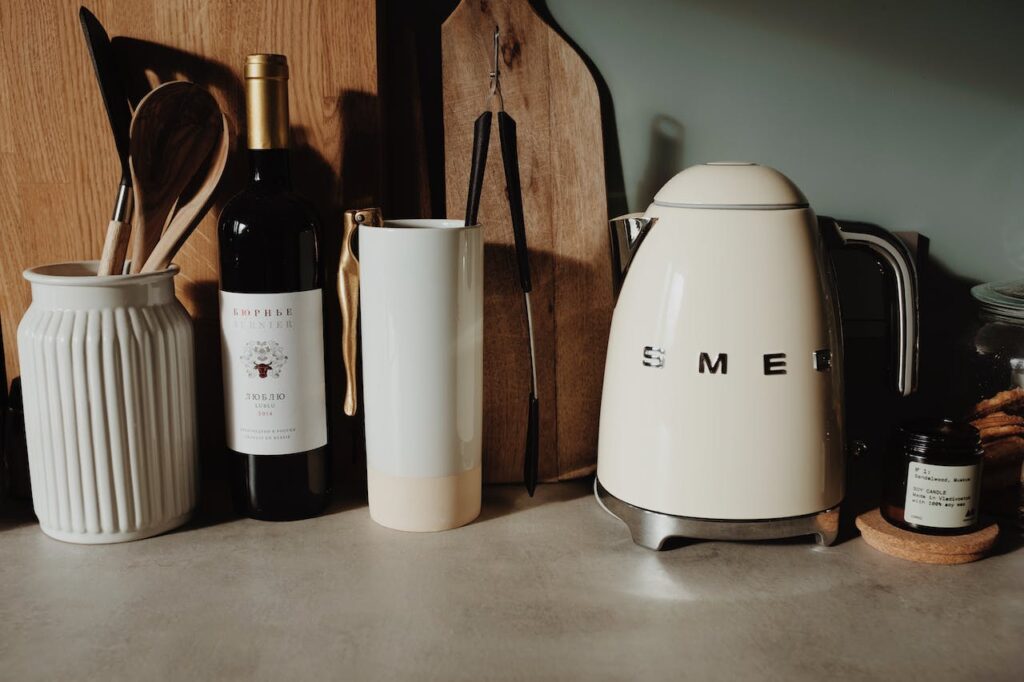
Explore the thriving world of solo cooking and uncover strategic insights for kitchenware brands to succeed in this expanding market. Learn how to connect and engage with solo cooks effectively in this insightful blog post.
Introduction: Embracing the New Era of Solo Cooking</>
In an age where individual lifestyles are increasingly celebrated, the solo cooking trend has surged, reshaping the kitchenware industry. This blog post aims to unveil the dynamic world of solo cooking – a realm where convenience meets creativity, and personalization is key. As more and more people embrace the art of cooking for one, kitchenware brands face a golden opportunity to tap into this burgeoning market. This article will dive deep into the nuances of solo cooking, offering valuable insights and actionable strategies for kitchenware brands looking to flourish in this evolving landscape. From understanding the unique needs of solo cooks to optimizing product offerings and marketing approaches, we will explore how to effectively connect with this growing demographic. Prepare to discover how the right blend of SEO-optimized content, strategic link placement, and compelling storytelling can transform your approach to engaging the solo cook and elevate your brand in this competitive market.
—
Navigating the Solo Cooking Boom: Insights for Kitchenware Brands to Flourish
II. Understanding the Solo Cooking Market
A. Demographic Analysis
The solo cooking market is not a monolith but a vibrant tapestry of diverse individuals, each with unique needs and preferences.
1. Who are the Solo Cooks?
– Primarily comprised of millennials and Gen Z, but also includes busy professionals, single parents, and seniors.
– A demographic characterized by their pursuit of convenience, health-consciousness, and a penchant for experimentation in the kitchen.
2. Lifestyle Insights
– Many solo cooks juggle busy schedules, seeking quick and efficient meal solutions.
– A growing interest in wellness and nutrition is evident, with a preference for fresh, quality ingredients.
B. Cooking Habits of Solo Consumers
Understanding the cooking habits and preferences of solo consumers is crucial for kitchenware brands looking to cater to this market.
1. Common Cooking Practices
– Solo cooks often opt for quick, easy-to-prepare meals but are also interested in exploring new cuisines and cooking techniques.
– There’s a significant trend towards one-pot meals, sheet pan dinners, and other simple yet creative cooking methods.
2. Kitchenware Preferences
– High demand for multi-functional, space-saving kitchen gadgets that align with compact living spaces.
– Preference for high-quality, durable products that offer long-term value.
C. Challenges and Opportunities for Kitchenware Brands
The solo cooking trend presents both challenges and opportunities for kitchenware brands.
1. Challenges
– Breaking the misconception that cooking for one is less enjoyable or overly complex.
– Differentiating products in a market flooded with generic options.
2. Opportunities
– Innovating with products specifically designed for solo cooking needs.
– Leveraging the trend of health and wellness to introduce products that facilitate healthy cooking.
<>D. Leveraging Market Trends for Product Development</>
Staying ahead in the kitchenware market means aligning with emerging trends.
1. Sustainability and Eco-Friendliness
– Incorporate sustainable materials and eco-friendly practices in product design and marketing.
– Highlight these features in your content as they resonate with environmentally conscious consumers.
2. Technology Integration
– Consider the growing interest in smart kitchen gadgets and how they can simplify cooking for one.
– Develop content that showcases the innovative features and benefits of these products.
E. Building a Connection with Solo Cooks Through Content
Content that connects with solo cooks goes beyond mere product promotion.
1. Creating Relatable Content
– Share stories, tips, and recipes that address the unique challenges and joys of solo cooking.
– Use visuals and narratives that solo cooks can see themselves in, making your brand more relatable.
2. Educational and Inspirational Content
– Offer content that educates on cooking techniques, nutritional tips, and creative meal ideas.
– Inspire solo cooks with content that shows the fun and adventurous side of cooking for one.
—
Navigating the Solo Cooking Boom: Insights for Kitchenware Brands to Flourish
III. The Appeal of Specialized Kitchenware
<>A. Niche Products for Solo Cooks
Identifying and developing niche products that address the specific needs of solo cooks can significantly enhance a kitchenware brand’s appeal.
1. Market Gap Analysis: Investigate the unmet needs within the solo cooking market. Are there specific tools that could make meal preparation easier or more enjoyable for solo cooks?
2. Innovative Product Development: Consider developing products like compact, multi-use appliances, single-serving cookware, or tools that aid in quick and healthy meal prep.
3. Case Studies of Success: Analyze the success stories of products that have already made a mark in the solo cooking market for inspiration and understanding of what resonates with this demographic.
B. Design and Functionality
The design and functionality of kitchenware are key factors in attracting solo cooks.
1. Ergonomic Design: Prioritize designs that are efficient, easy to store, and cater to the lifestyle of a solo cook.
2. Space-Saving and Multi-Functional Features: Products that save space and serve multiple purposes are highly valued in the solo cook’s limited kitchen space.
3. Aesthetic Appeal: Consider the visual appeal of products, as many solo cooks view kitchenware as a part of their home decor.
C. Personalization and Customization
Offering personalization options can significantly enhance the appeal of kitchenware to solo cooks.
1. Customizable Options: Provide opportunities for customers to personalize their kitchenware, whether through color choices, modular features, or add-ons.
2. Responsive Product Development: Quickly adapt and modify products based on customer feedback and trends in the solo cooking community.
D. Understanding the Solo Cook’s Journey
Deeply understanding the journey of a solo cook, from purchase to usage, can inform more effective product design and marketing.
1. Customer Journey Mapping: Track the typical journey of a solo cook in selecting and using kitchenware. What are their pain points and delights?
2. Enhanced User Experience: Focus on how your product can enhance the overall cooking and dining experience for a solo cook.
E. Marketing and Promoting Specialized Kitchenware
Effective marketing strategies are crucial in promoting these specialized products to solo cooks.
1. Targeted Marketing Campaigns: Develop marketing campaigns that speak directly to the solo cook’s needs and desires.
2. Leveraging Digital Platforms: Utilize digital platforms, especially social media, to showcase the benefits and unique features of your products.
3. Collaborations and Influencer Partnerships: Partner with cooking influencers and solo lifestyle advocates to increase reach and credibility.
F. Sustainability and Quality Focus
Incorporating sustainability and a focus on quality can be major selling points.
1. Eco-friendly Practices: Highlight any sustainable practices or materials used in your products.
2. Durability and Quality Assurance: Assure customers of the longevity and quality of your products, which is especially important for solo cooks making mindful investments.
—
Navigating the Solo Cooking Boom: Insights for Kitchenware Brands to Flourish
IV. Marketing Strategies for Kitchenware Brands
A. Tailoring Marketing Messages
Crafting marketing messages that resonate with solo cooks is essential for kitchenware brands looking to make an impact in this niche market.
1. Identifying Key Messages: Focus on the unique benefits of your products for solo cooks, such as convenience, efficiency, and the joy of personal cooking experiences.
2. Emotional Appeal: Create messages that evoke emotional responses, highlighting how cooking for one can be a fulfilling, enjoyable, and creative endeavor.
B. Digital Marketing and Online Presence
In today’s digital world, a robust online presence is crucial for reaching and engaging solo cooks.
1. Social Media Strategy: Utilize platforms like Instagram and Pinterest, where visuals of kitchenware and meals can attract and engage potential customers.
2. Content Marketing: Develop a content marketing strategy that includes engaging blog posts, videos, and recipes that showcase the utility and appeal of your products.
C. Interactive and Engaging Content
Interactive content can significantly boost engagement and brand loyalty.
1. Creating Interactive Experiences: Use quizzes, polls, and interactive videos to engage users on your website and social media platforms.
2. User Participation Campaigns: Encourage user-generated content, such as cooking challenges or recipe sharing, to create a community around your brand.
D. Leveraging Influencers and Brand Ambassadors
Partnering with influencers and brand ambassadors can help in reaching a broader audience and building trust.
1. Identifying Relevant Influencers: Collaborate with food bloggers, culinary influencers, and lifestyle vloggers who resonate with solo cooks.
2. Influencer-Driven Campaigns: Create campaigns where influencers showcase your products in real-life cooking scenarios, providing authenticity and relatability.
E. Customer Journey Optimization
Optimizing the customer journey is key to converting interest into sales.
1. Streamlined Online Shopping Experience: Ensure your website offers an easy, intuitive shopping experience, particularly for mobile users.
2. Post-Purchase Engagement: Follow up with customers post-purchase with tips, recipes, or care instructions, enhancing customer satisfaction and loyalty.
F. Data-Driven Marketing Decisions
Leverage data analytics to make informed marketing decisions.
1. Analyzing Consumer Behavior: Use data from your website and social media platforms to understand consumer preferences and behaviors.
2. Personalized Marketing: Employ data to personalize marketing messages and offers, making them more relevant to individual consumers.
G. Building a Brand Community
Fostering a sense of community can enhance brand loyalty and word-of-mouth referrals.
1. Engaging Online Communities: Create and nurture online communities where solo cooks can share experiences, tips, and feedback.
2. Brand Events and Workshops: Host online or in-person events, such as cooking workshops or product demonstrations, to engage with customers and build community.
—
—
Navigating the Solo Cooking Boom: Insights for Kitchenware Brands to Flourish
V. Enhancing Product Development and Customer Experience
A. Customer Feedback and Market Research
Integrating customer feedback and conducting thorough market research are pivotal for kitchenware brands to develop products that resonate with solo cooks.
1. Gathering Consumer Insights: Implement feedback mechanisms such as surveys, focus groups, and online reviews to understand customer needs and preferences.
2. Trend Analysis: Stay abreast of emerging trends in solo cooking, including popular cuisines, dietary preferences, and cooking habits, to inform product development.
B. Sustainability and Quality in Product Design
Incorporating sustainable practices and focusing on quality are becoming increasingly important in the kitchenware industry.
1. Eco-Friendly Materials: Utilize sustainable materials in product manufacturing, appealing to environmentally conscious consumers.
2. Quality and Durability: Emphasize the durability and quality of products, showcasing them as long-term investments for solo cooks.
C. Technological Innovation in Kitchenware
Leveraging technology can provide kitchenware brands with a competitive edge in the solo cooking market.
1. Smart Kitchen Gadgets: Develop or incorporate smart features in kitchen gadgets that offer convenience and enhanced cooking experiences.
2. Innovative Features: Introduce innovative features that address specific challenges faced by solo cooks, such as portion control or food preservation.
D. Personalization and Customization Options
Offering personalization and customization can significantly enhance the appeal of kitchenware to solo cooks.
1. Customizable Products: Provide options for customers to personalize their kitchenware, such as color choices or add-on features.
2. Tailored Solutions: Develop products that can be tailored to individual cooking styles and dietary needs, offering a more personalized cooking experience.
E. After-Sales Services and Customer Support
Providing exceptional after-sales services and customer support can foster loyalty and positive word-of-mouth.
1. Responsive Customer Service: Ensure timely and helpful customer service to address inquiries and issues.
2. Warranty and Repairs: Offer reliable warranty and repair services to reassure customers of their purchase.
F. Continuous Product Improvement
Ongoing product improvement based on customer feedback and market trends is crucial for long-term success.
1. Iterative Design Process: Adopt an iterative approach to product design, continually refining products based on customer feedback and technological advancements.
2. Market Responsiveness: Be quick to respond to market changes and customer demands to stay relevant in the evolving solo cooking landscape.
G. Packaging and Presentation
The packaging and presentation of kitchenware products play a vital role in attracting solo cooks.
1. Attractive Packaging Design: Design packaging that appeals to solo cooks, highlighting key product features and benefits.
2. Unboxing Experience: Create a memorable unboxing experience that enhances the customer’s first interaction with the product.
—
Navigating the Solo Cooking Boom: Insights for Kitchenware Brands to Flourish
VI. Building Brand Loyalty and Community Engagement
A. Developing a Loyal Customer Base
Building brand loyalty is essential for long-term success in the competitive kitchenware market, especially among solo cooks.
1. Consistent Brand Messaging: Develop and maintain a consistent brand voice and message across all platforms that resonate with the solo cooking lifestyle.
2. Quality Assurance and Trust: Establish trust with high-quality products and transparent communication, ensuring customers feel valued and confident in their purchases.
B. Community Engagement Strategies
Creating a sense of community can significantly enhance brand loyalty and customer retention.
1. Online Community Building: Utilize social media and online forums to create a community where solo cooks can share experiences, recipes, and feedback about your products.
2. Customer-Centric Events: Host virtual or in-person events like cooking classes, product demonstrations, or Q&A sessions to engage with your audience and build a stronger community.
C. Leveraging Customer Feedback for Improvement
Actively seeking and implementing customer feedback is key to improving products and customer experience.
1. Feedback Channels: Establish multiple channels for customers to provide feedback, such as online surveys, social media interactions, and direct customer service communications.
2. Responsive Product Development: Use customer feedback to inform product improvements and new product development, showing customers that their opinions are valued and impactful.
D. Personalization in Customer Interactions
Personalizing customer interactions can create a more engaging and memorable brand experience.
1. Customized Communication: Personalize communication with customers through targeted emails, product recommendations, and tailored content.
2. Special Offers and Promotions: Provide personalized offers or promotions based on customer preferences or purchase history.
E. Reward and Loyalty Programs
Implementing reward and loyalty programs can incentivize repeat purchases and deeper brand engagement.
1. Loyalty Rewards: Develop a loyalty program that rewards repeat purchases and engagement with the brand.
2. Referral Programs: Encourage customers to refer friends and family, expanding your customer base and rewarding existing customers.
F. Storytelling and Emotional Connection
Utilize storytelling to create an emotional connection with your brand, making it more relatable and memorable.
1. Brand Storytelling: Share the story behind your brand, your mission, and your values, creating a narrative that customers can connect with.
2. Customer Success Stories: Feature stories of how your products have positively impacted the lives of solo cooks, making your brand more relatable and aspirational.
G. Social Responsibility and Community Involvement
Engaging in social responsibility and community initiatives can enhance brand perception and loyalty.
1. Social Impact Initiatives: Participate in or sponsor community events, charitable causes, or sustainability efforts that align with your brand values.
2. Publicizing Involvement: Share your involvement in these initiatives through your marketing channels, showcasing your commitment to social responsibility.
—
Navigating the Solo Cooking Boom: Insights for Kitchenware Brands to Flourish
VII. Collaborations and Partnerships for Expanded Reach
A. Teaming Up with Chefs and Influencers
Collaborating with culinary influencers and chefs can be a powerful strategy to expand your brand’s reach and credibility in the solo cooking market.
1. Identifying Relevant Influencers: Partner with influencers who align with your brand’s values and have a significant following among solo cooks. Their endorsement can lend authenticity and widen your audience.
2. Influencer-Led Campaigns: Develop campaigns where influencers use and review your products, showcasing their benefits in real-life solo cooking scenarios. This approach not only provides visibility but also adds a layer of trust and relatability.
B. Cross-Promotional Opportunities
Engaging in cross-promotional activities can open up new avenues for reaching potential customers.
1. Partnerships with Meal Kit Services: Collaborate with meal kit companies to include your kitchenware as part of their offerings, targeting customers who enjoy cooking for one.
2. Joint Ventures with Cooking Schools: Partner with cooking schools or online culinary platforms to promote your products, offering exclusive deals to students or subscribers.
C. Leveraging Industry Events for Brand Visibility
Participating in industry events, trade shows, and expos can enhance your brand’s visibility and provide networking opportunities.
1. Event Participation and Sponsorship: Attend and sponsor relevant culinary events, using these platforms to showcase your products and connect with a broader audience.
2. Product Demonstrations and Workshops: Conduct live product demonstrations or workshops at these events to engage attendees and provide a hands-on experience with your kitchenware.
D. Strategic Retail Partnerships
Forming strategic partnerships with retail outlets can increase the accessibility and visibility of your products.
1. Selective Retail Expansion: Partner with retail stores that cater to the solo cooking market, ensuring your products are accessible to your target demographic.
2. Co-Marketing Initiatives: Work with retailers on co-marketing initiatives, such as in-store promotions or joint advertising campaigns, to maximize reach and impact.
E. Expanding Digital and E-Commerce Collaborations
In the digital age, collaborations in the e-commerce space are crucial for growth.
1. Online Marketplace Partnerships: Collaborate with popular online marketplaces to feature your products, taking advantage of their vast customer base and established trust.
2. Affiliate Marketing Programs: Implement affiliate marketing programs where bloggers and websites can promote your products, expanding your online presence and reach.
—
Navigating the Solo Cooking Boom: Insights for Kitchenware Brands to Flourish
VIII. Future Trends and Adaptation
A. Keeping Ahead of Market Changes
Staying ahead in the rapidly evolving kitchenware market requires an acute awareness of emerging trends and an ability to adapt quickly.
1. Anticipating Future Trends: Monitor and predict upcoming trends in solo cooking, such as shifts towards smart kitchen devices or evolving dietary preferences, to stay ahead of the curve.
2. Technological Advancements: Embrace technological innovations, integrating them into your product lines and marketing strategies. Smart kitchen gadgets, for instance, are becoming increasingly popular among tech-savvy solo cooks.
B. Long-Term Growth Strategies
Developing long-term strategies is crucial for sustained growth and success in the kitchenware industry.
1. Investing in Innovation: Dedicate resources to research and development to continually innovate and improve your product offerings, keeping them fresh and relevant to solo cooks.
2. Diversification of Product Lines: Consider expanding your product range to cater to different segments within the solo cooking market, such as gourmet enthusiasts, health-conscious cooks, or budget-minded individuals.
C. Adapting to Consumer Behavior Shifts
Consumer behaviors and preferences are constantly changing, especially in markets like solo cooking.
1. Responsive Product Design: Design products that are responsive to the changing needs and lifestyles of solo cooks. Flexibility and adaptability in design can cater to varying cooking habits.
2. Personalization and Customization: As consumers seek more personalized experiences, offer customizable options in your product line, allowing solo cooks to tailor products to their specific needs.
D. Embracing Sustainability and Ethics
Sustainability and ethical practices are increasingly influencing consumer choices.
1. Eco-Friendly Practices: Incorporate sustainable practices in manufacturing and packaging, aligning with the growing consumer demand for eco-conscious products.
2. Ethical Sourcing: Ensure that your products are ethically sourced, emphasizing transparency in your supply chain to build trust and loyalty among environmentally and socially conscious consumers.
—
Navigating the Solo Cooking Boom: Insights for Kitchenware Brands to Flourish
IX. Conclusion: Seizing Opportunities in the Solo Cooking Market
As we conclude this exploration into the solo cooking trend, it’s clear that this evolving market presents significant opportunities for kitchenware brands. By understanding the unique needs and preferences of solo cooks, brands can innovate and tailor their products and marketing strategies effectively. The key to success lies in the ability to adapt to changing consumer behaviors, embrace technological advancements, and uphold sustainability and quality in product offerings.
For kitchenware brands, the solo cooking boom is not just a trend to observe but a dynamic market to actively engage with. Through strategic partnerships, targeted marketing, and continuous product innovation, brands can position themselves at the forefront of this market, meeting the needs of solo cooks today and in the future.
—