
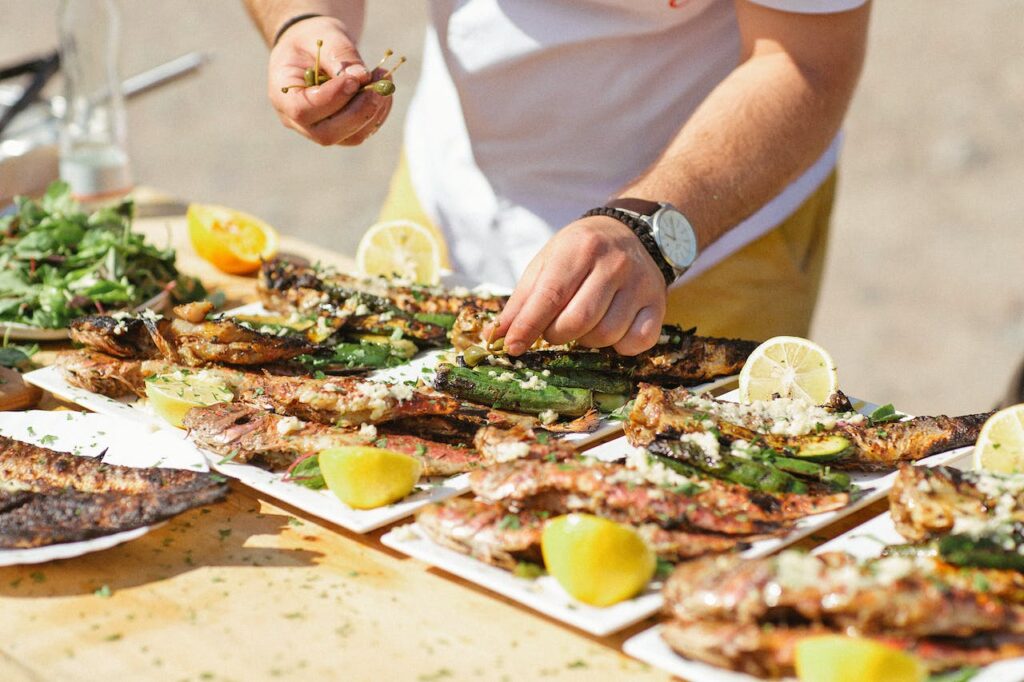
Uncover the secrets to engaging solo cooks with expertly crafted content. Learn how SEO-optimized, strategic storytelling can transform your kitchenware or meal service business in this insightful blog post.
Introduction: Capturing the Essence of Solo Culinary Adventures
In today’s fast-paced world, the phenomenon of solo cooking is on the rise, driven by a growing number of single-person households and a newfound appreciation for personal culinary experiences. This evolving trend presents a unique opportunity for businesses in the kitchenware and gourmet meal sectors. Understanding and engaging this burgeoning demographic is not just about showcasing products; it’s about crafting content that speaks directly to the hearts and kitchens of solo cooks. In this comprehensive blog post, we explore how to weave the magic of words into content that resonates with those who find solace and joy in cooking for one. From selecting the right kitchen gadgets to preparing gourmet meals that delight the senses, our journey will reveal how tailored content can turn simple cooking moments into memorable culinary adventures for the solo cook.
From Kitchen Gadgets to Gourmet Meals: Crafting Content That Resonates with Solo Cooks
II. Understanding the Solo Cook Demographic
A. Profile of a Solo Cook
Solo cooks are a diverse and rapidly growing demographic, each with unique preferences and lifestyles. Understanding who they are is the first step in crafting content that resonates.
1. Demographics and Lifestyle Insights: Typically, solo cooks range from busy professionals to health-conscious individuals and seniors looking for convenience and simplicity in the kitchen.
2. Cooking Habits and Preferences: Many prefer quick and easy recipes that require minimal effort yet offer nutritional value and taste. There’s also a growing interest in experimenting with global cuisines and innovative cooking techniques.
<>B. What Solo Cooks Look For
Knowing what solo cooks seek in kitchen gadgets and meal services can guide your content strategy.
1. Convenience and Functionality: Products that save time and simplify the cooking process are highly valued. Features like easy storage, quick clean-up, and multi-functionality are key selling points.
2. Nutritional Value and Variety: Meal services that offer diverse, health-conscious options cater well to this demographic, emphasizing fresh ingredients, dietary variety, and balanced meals.
C. The Role of Personalization
Personalization is a critical factor in appealing to solo cooks.
1. Tailored Product Recommendations: Using data and insights to recommend products that suit individual cooking styles and dietary needs can enhance content relevance.
2. Customized Meal Plans: Offering customizable meal plans or recipes allows for a more personal and engaging user experience.
D. Challenges and Opportunities in Engaging Solo Cooks
Addressing the unique challenges and leveraging the opportunities in the solo cook market can enhance content effectiveness.
1. Challenges: Overcoming misconceptions about solo cooking, such as it being less enjoyable or more effort-intensive than cooking for groups.
2. Opportunities: Capitalizing on the growing trend of self-care and wellness, where cooking for one is seen as a rewarding and nurturing activity.
E. Integrating Solo Cook Insights into Content
Utilize insights about solo cooks to create more targeted and engaging content.
1. Incorporating User Feedback: Regularly gather and incorporate feedback from solo cooks to keep content aligned with their evolving needs.
2. Highlighting Relevant Trends: Stay updated on culinary and lifestyle trends that impact solo cooks, weaving these into your content to keep it fresh and relevant.
III. The Role of Content in Marketing to Solo Cooks
<>A. Importance of Targeted Content
In the realm of solo cooking, the power of targeted content can’t be overstated. It’s the bridge that connects your products with the needs and desires of solo cooks.
1. Building a Connection: Effective content speaks directly to the solo cook’s experience, addressing their unique challenges and celebrating the joys of cooking for one.
2. Impact on Consumer Engagement and Sales: Personalized content not only engages consumers on a deeper level but also drives sales by showcasing how your products meet their specific needs.
B. Types of Content That Resonate with Solo Cooks
Different types of content can cater to the varied interests of solo cooks.
1. Educational Content: How-to guides, cooking tips, and recipe tutorials that simplify the cooking process and introduce new culinary techniques.
2. Inspirational Content: Success stories, lifestyle blogs, and user experiences that inspire and motivate solo cooks to explore new culinary horizons.
<>C. Incorporating Storytelling and Emotional Appeal
Storytelling and emotional appeal are key in creating content that resonates on a deeper level.
1. Relatable Narratives: Share stories that mirror the solo cook’s everyday life – from quick healthy meals to indulgent weekend feasts.
2. Emotional Connection: Use language and imagery that evoke emotions, creating a more memorable and impactful brand experience.
D. Leveraging User-Generated Content
User-generated content can significantly boost authenticity and engagement.
1. Customer Stories and Reviews: Encourage customers to share their cooking stories and experiences with your products.
2. Photo and Video Submissions: Create campaigns inviting solo cooks to submit photos or videos of their culinary creations using your products.
<>E. SEO and Digital Content Optimization
Optimizing your content for search engines is crucial to ensure it reaches your target audience.
1. Strategic Keyword Integration: Use keywords related to solo cooking, kitchen gadgets, and gourmet meals strategically throughout your content.
2. Readable and Engaging Layout: Structure your content with clear headings, bullet points, and short paragraphs for better readability and SEO performance.
F. Adapting Content for Different Digital Platforms
Tailor your content to fit various digital platforms for maximum impact.
1. Social Media Content: Craft shorter, more visually driven content for platforms like Instagram and Facebook.
2. Long-Form Blog Posts: Develop in-depth articles for your website that provide comprehensive information and insights.
IV. Strategies for Crafting Solo Cook-Centric Content
A. Content Tailoring Techniques
Effectively reaching solo cooks requires a nuanced approach to content creation, where personalization and relevance are paramount.
1. Understanding Solo Cook Preferences: Dive deep into the preferences and pain points of solo cooks. Are they looking for time-saving gadgets or gourmet experiences?
2. Balancing Information and Entertainment: Blend informative content with entertaining elements. Use anecdotes, humor, or interesting facts to keep the content engaging.
3. Showcasing Real-Life Applications: Demonstrate how your products fit into the everyday life of a solo cook, perhaps through scenario-based content or user stories.
B. Content Formats and Platforms
The format and platform of your content play a crucial role in its effectiveness.
1. Diversifying Content Types: Utilize a mix of blogs, videos, infographics, and social media posts to cater to different content consumption preferences.
2. Platform-Specific Content: Tailor your content to the strengths of each platform. For example, visually-rich posts for Instagram or in-depth articles for your blog.
C. SEO and Digital Content Optimization
Optimizing your content for search engines ensures that it reaches and engages your target audience effectively.
1. Strategic Keyword Use: Integrate relevant keywords related to solo cooking, kitchen gadgets, and quick meal solutions.
2. Engaging Titles and Headings: Craft titles and headings that are not only SEO-friendly but also catchy and informative.
3. Link Building: Include internal links to other relevant content on your website and external links to authoritative sources for additional information.
D. Visual and Interactive Elements in Content
Incorporating visual and interactive elements can significantly enhance the appeal of your content.
1. High-Quality Images and Videos: Use attractive visuals that show your products in action or present the finished culinary creations.
2. Interactive Features: Consider adding interactive elements like quizzes or polls, especially in social media content, to increase engagement.
E. Utilizing User Feedback and Analytics
Leveraging user feedback and analytics helps in refining your content strategy.
1. Gathering and Implementing Feedback: Regularly solicit feedback from your audience on what type of content they find useful or enjoyable.
2. Analyzing Content Performance: Use analytics tools to track engagement, shares, and other performance metrics to understand what works best.
F. Emphasizing Mobile-Friendly Content
With the increasing use of mobile devices, ensuring your content is mobile-friendly is essential.
1. Responsive Design: Ensure that your content is easily readable and navigable on mobile devices.
2. Quick-Loading Elements: Optimize images and videos for quick loading on mobile to enhance the user experience.
V. Engaging and Persuasive Content Creation
A. Crafting Persuasive Product Descriptions
Persuasive product descriptions are a cornerstone of effective content, especially when marketing to solo cooks who often seek detailed information before making a purchase.
1. Highlighting Benefits and Features: Clearly articulate how each product benefits the solo cook, focusing on unique selling points like ease of use, time-saving capabilities, or health benefits.
2. Using Sensory Language: Engage the reader’s senses with vivid descriptions that paint a picture of the taste, aroma, and experience of using the product or enjoying the meal.
B. Storytelling in Marketing Content
Storytelling can create an emotional connection with your audience, making your brand more relatable and memorable.
1. Personal Stories and Experiences: Share stories from real customers or create narratives that depict the joys and challenges of solo cooking.
2. Brand Storytelling: Weave the story of your brand into the content, sharing your journey, values, and commitment to quality and customer satisfaction.
C. Utilizing Calls to Action (CTAs)
Effective CTAs guide your readers towards a specific action, increasing conversion rates.
1. Direct and Engaging CTAs: Use clear and compelling language in your CTAs, like ‘Discover Your Perfect Meal Solution’ or ‘Transform Your Cooking Experience Today’.
2. Strategic Placement: Place CTAs at points in the content where readers are most likely to be motivated to act, such as after a persuasive section or an engaging story.
D. SEO for Enhanced Online Visibility
SEO is critical for ensuring that your content reaches a wider audience and ranks higher in search engine results.
1. Keyword Strategy: Incorporate relevant keywords naturally into your content, focusing on terms that solo cooks are likely to search for.
2. Optimized Titles and Meta Descriptions: Craft titles and meta descriptions that are not only SEO-friendly but also encourage clicks.
E. Visuals and multimedia elements can significantly enhance the appeal and effectiveness of your content.
1. Incorporating High-Quality Images: Use high-quality images that showcase your products in use or the final results of your recipes.
2. Creating Engaging Videos: Develop engaging video content, such as product demos, cooking tutorials, or behind-the-scenes glimpses, to provide a richer experience.
<>F. Leveraging User-Generated Content
User-generated content (UGC) adds authenticity and builds trust among your audience.
1. Showcasing Customer Reviews and Testimonials: Feature positive customer reviews and testimonials in your content.
2. Encouraging Social Media Participation: Create campaigns that encourage customers to share their experiences or photos using your products on social media.
<>
VI. Implementing Effective Copywriting in Your Marketing Strategy
A. Developing a Targeted Copywriting Plan
To effectively engage solo cooks, a well-thought-out copywriting plan is essential. This plan should align with your overall marketing strategy and specifically cater to the unique needs and preferences of solo cooks.
1. Audience Analysis: Begin by thoroughly understanding your target audience – their cooking habits, preferences, and what they seek in kitchen gadgets and meal services.
2. Content Roadmap Creation: Craft a content roadmap that includes various types of articles, blog posts, and social media content, all tailored to address the interests and solve the problems of solo cooks.
B. Training and Skill Development for Copywriters
The effectiveness of your content heavily relies on the skills of your copywriters. Ensuring they are well-trained and knowledgeable about the solo cooking market is crucial.
1. Regular Training Sessions: Conduct training sessions focusing on the latest copywriting techniques, SEO trends, and understanding of the solo cook market.
2. Understanding the Solo Cooking Landscape: Encourage your team to stay updated on the latest trends in solo cooking, including popular kitchen gadgets and emerging meal service preferences.
C. Measuring the Impact of Copywriting Efforts
Assessing the effectiveness of your copywriting efforts is vital to ensure that your strategy is on the right track.
1. Utilizing Analytics: Employ tools like Google Analytics to track key metrics such as website traffic, engagement rates, and conversion rates related to your content.
2. Customer Feedback Analysis: Regularly collect and analyze customer feedback specifically on how your content is resonating with them.
D. Continuous Improvement and Adaptation
The digital marketing landscape is constantly evolving, and your copywriting strategy should adapt to these changes.
1. Staying Agile: Be prepared to quickly adapt your content strategy in response to new trends and customer feedback.
2. Innovative Experimentation: Experiment with different formats and styles in your copywriting to discover what resonates best with your audience.
E. Collaboration with Marketing Teams
Effective copywriting is a collaborative effort and should be integrated with your broader marketing strategy.
1. Cross-Departmental Collaboration: Ensure that your copywriters work closely with marketing, product development, and customer service teams to create cohesive and impactful content.
2. Unified Brand Messaging: Maintain a consistent brand voice and message across all platforms and types of content.
<>
VII. Future Outlook and Predictions for Copywriting in the Meal Service Industry
A. Anticipating Future Trends in Solo Dining
As we look towards the future, staying attuned to emerging trends in solo dining is crucial for maintaining relevance and effectiveness in copywriting.
1. Evolving Dietary Trends: Keep an eye on dietary trends that could influence solo cooks’ choices, such as plant-based diets, gluten-free options, or international cuisines.
2. Technological Advancements: Adapt to advancements in technology, like smart kitchen gadgets or AI-driven meal planning apps, which could change how solo cooks interact with kitchen products and meal services.
B. The Evolving Role of Copywriting
The role of copywriting in the meal service industry is set to evolve, adapting to changing consumer behaviors and technological advancements.
1. Digital Storytelling: Expect a shift towards more immersive digital storytelling, leveraging technologies like augmented reality or interactive content to engage solo cooks.
2. Data-Driven Personalization: Utilize consumer data to craft highly personalized and targeted content, catering to individual preferences and cooking behaviors.
C. Innovations in Marketing Strategies
Innovative marketing strategies will be key to captivating the solo dining audience.
1. Interactive and Engaging Content: Explore new ways to engage customers, such as through gamification or interactive culinary challenges.
2. Focus on Sustainability: As sustainability becomes a greater concern, integrate eco-friendly practices and messages into your content strategy.
VIII. Conclusion: Harnessing the Power of Content in Solo Cooking
As we’ve navigated through the intricacies of crafting content for solo cooks, it’s clear that the right approach can significantly impact the success of kitchenware and meal service companies. The shift towards solo dining is more than a trend; it’s a lifestyle change that presents abundant opportunities for brands to connect with an engaged and growing audience. By implementing the strategies discussed, from understanding the solo cook demographic to adapting to future trends, companies can create content that not only resonates with this unique market segment but also drives meaningful engagement and sales.
Looking ahead, the key to success in this niche market lies in the ability to stay adaptable, innovative, and customer-focused. As consumer preferences continue to evolve, so should your content strategies, ensuring that your brand remains a go-to source for solo cooks seeking culinary inspiration and solutions. Embrace the power of well-crafted content to transform the way solo cooks perceive and interact with your products, ultimately leading them from kitchen gadgets to gourmet meals