
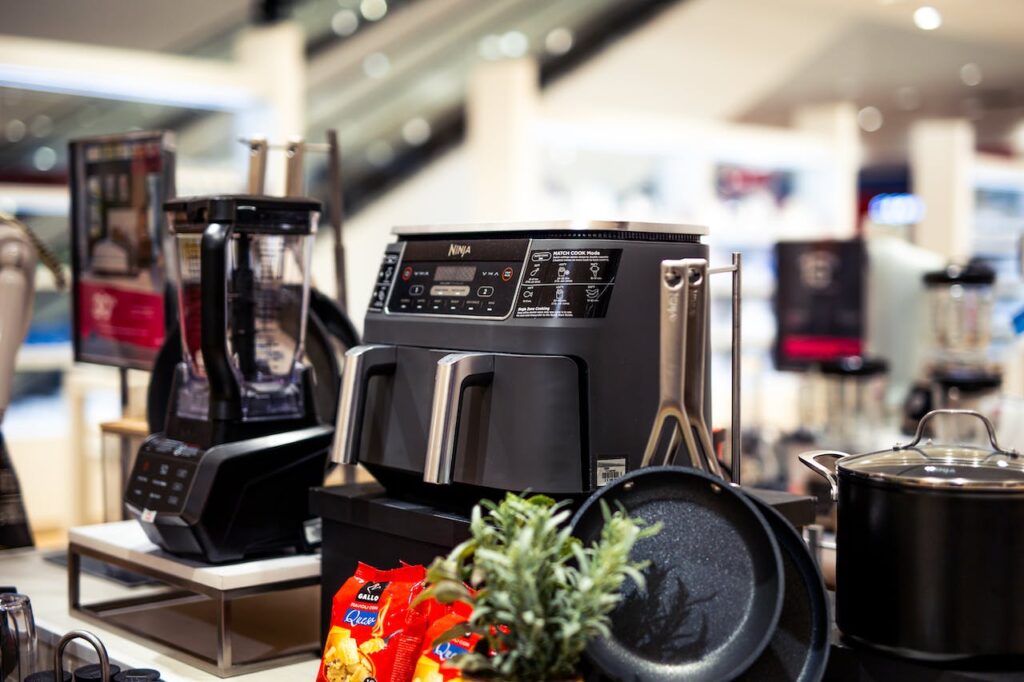
Enter the dynamic interplay of content creation and solo cooking gadget innovation. Learn how strategic storytelling shapes product development and captures the evolving market.
—
Introduction
The culinary world is experiencing a significant shift, with the rise of solo dining and cooking reshaping the landscape. This change has not only affected consumer habits but also sparked a surge in demand for specialized cooking gadgets catering to solo chefs. At the heart of this transformation are content marketing managers, directors, and coordinators in the food, kitchenware, and appliance industries. You are the architects of this new era, bridging the gap between innovative product development and the evolving needs of your audience. In ” One-Pot Wonders: How Content Creation Drives Innovation in Solo Cooking Gadgets ,” we delve deep into how your content strategies can significantly influence and drive the innovation of cooking gadgets tailored for solo culinary experiences.
This article is designed to equip you with insights on leveraging content creation to not just engage with but also understand and anticipate the needs of solo cooks. We will explore the critical role that engaging, informative, and targeted content plays in guiding product development, shaping consumer preferences, and ultimately, setting trends in the solo cooking gadget market. Whether you’re looking to refine your existing content strategy or seeking fresh ideas to captivate this growing demographic, this guide offers valuable perspectives and actionable strategies. Prepare to journey through the fascinating intersection of content creation and product innovation, where every word and idea can ignite a new wave of culinary gadgetry designed for the modern solo chef.
II. The Evolution of Solo Cooking Gadgets
A. Historical Perspective on Cooking Gadgets
The journey of cooking gadgets has been a fascinating one, evolving from basic utensils to high-tech devices. Initially designed for general use, these gadgets have gradually adapted to specific lifestyle needs, especially with the rise of solo living. In understanding this evolution, we recognize the growing importance of compact, multi-functional, and time-saving devices. These developments reflect not just technological advancements but also a deeper understanding of the changing consumer lifestyle – a transition predominantly driven by content that resonates with the solo cook’s experience.
B. The Shift Towards Single-Serving and Compact Designs
Today, the market is witnessing a surge in single-serving and compact cooking gadgets, a direct response to the growing solo cooking demographic. Content creators have played a pivotal role in highlighting the needs of solo cooks, driving manufacturers to innovate accordingly. From one-pot cookers to compact air fryers, these gadgets are designed to cater to the unique demands of cooking for one – efficiency, ease of use, and minimal waste. By analyzing online content trends, such as popular blog posts, how-to videos, and social media feedback, companies have been able to pinpoint and address the specific pain points of solo cooks.
C. Impact of Technology on Solo Cooking Gadgets
The integration of technology in cooking gadgets has revolutionized the solo cooking experience. Smart kitchen appliances, which can be controlled via smartphones and come with a plethora of pre-programmed recipes, are a testament to this evolution. Content marketing plays a crucial role here, not only in educating consumers about these technological advancements but also in gathering feedback for future improvements. By engaging with content, solo cooks contribute to a cycle of continuous innovation, where their preferences and feedback directly influence the next generation of gadgets.
D. Role of SEO and Online Content in Shaping Trends
The power of SEO and online content in shaping consumer trends cannot be overstressed. Keywords like ‘solo cooking gadgets’, ‘compact kitchen appliances’, and ‘single-serving recipes’ dominate search engine queries, guiding content strategies and, by extension, product development. The high search volume and engagement around these terms provide invaluable insights into consumer interests, enabling brands to tailor their products to meet these emerging needs.
E. Consumer Insights through Content Interaction
Content creation is not just about promotion; it’s a two-way street that offers deep consumer insights. For instance, interactive content such as polls, surveys, and comments sections on articles allows companies to gather direct feedback from their target audience. This information is gold for product developers and marketers alike, as it offers a real-time pulse on what solo cooks are looking for in their cooking gadgets.
F. Case Studies: Success Stories of Content-Driven Innovation
Several brands have successfully leveraged content to drive innovation. For example, a popular kitchenware brand used insights from their how-to cooking guides and customer reviews to develop a multi-functional blender designed for single-person households. Another case is a smart cooker company that collaborated with food bloggers to create and share recipes specifically for their compact smart cookers, significantly boosting the product’s appeal and utility for solo cooks.
In summary, the evolution of solo cooking gadgets is a vivid example of how content creation and consumer engagement drive innovation. By understanding and adapting to the solo cook’s needs, companies can develop products that not only meet the demands of this growing market segment but also lead the way in technological advancements and design efficiency. As we continue to explore this relationship, it becomes clear that content is not just a tool for marketing; it is a catalyst for innovation and growth in the solo cooking gadget industry.
III. Understanding the Solo Cook Consumer
A. Demographic Analysis: Who are the Solo Cooks?
Solo cooks are a diverse and growing demographic. They range from young professionals living in urban settings to older adults who enjoy the simplicity of cooking for one. Understanding this audience is crucial for tailoring content and product design. Data-driven content that delves into the lifestyles, preferences, and cooking habits of these individuals provides invaluable insights. For instance, younger solo cooks might favor quick and easy meal solutions, while older adults may prioritize health and convenience. By segmenting the solo cook market, content creators can develop more targeted and relevant material that resonates with each subgroup.
B. Understanding the Needs and Preferences of Solo Cooks
The solo cook’s needs are distinct from those of larger households. They often seek gadgets that are space-saving, easy to clean, and versatile enough to prepare single-serving meals. Content that showcases these features, perhaps through engaging product reviews or instructional videos, can significantly influence purchasing decisions. Moreover, understanding their preferences, like a leaning towards healthy eating or a penchant for experimental cooking, allows for the creation of personalized content that not only informs but also inspires.
C. The Importance of Convenience and Efficiency
Convenience and efficiency are key drivers for solo cooks when choosing cooking gadgets. They are likely to be attracted to products that save time and reduce effort. Content that highlights these aspects, such as time-saving recipes or gadgets with multiple functionalities, tends to engage this audience more effectively. SEO-optimized articles focusing on ‘quick meal prep for solo cooks’ or ‘efficient kitchen gadgets for single servings’ can draw substantial traffic, thereby guiding solo cooks to products that cater to their needs.
D. Role of Content in Educating and Engaging Solo Cooks
Educational content plays a significant role in guiding the solo cook’s purchasing decisions. How-to guides, product comparisons, and cooking tips are not just informative but also help in building a relationship with the audience. Engaging content, especially when enriched with SEO keywords like ‘solo cooking tips’ or ‘single-serve gadget guide’, ensures higher visibility and deeper engagement with potential customers.
E. Analyzing Consumer Behavior through Content Engagement
Content engagement offers a window into consumer behavior. By analyzing which articles are read the most, which videos are viewed longest, and which social media posts receive the most interaction, brands can gain insights into what solo cooks are really looking for. This data is crucial in developing gadgets that not only meet but exceed customer expectations.
F. Tailoring Content to Reflect Evolving Trends
The solo cooking trend is dynamic, with new preferences emerging regularly. Staying abreast of these changes is essential. Regularly updated content that reflects current trends, whether it’s the latest in health-conscious cooking or eco-friendly gadgets, helps brands stay relevant and appealing to solo cooks. For instance, creating content around plant-based cooking gadgets can attract those riding the wave of sustainable living.
In conclusion, understanding the solo cook consumer is a multifaceted process that requires a blend of demographic analysis, insight into personal preferences, and ongoing engagement through dynamic content. By focusing on the needs for convenience, efficiency, and personalization, and continually adapting to emerging trends, content creators and gadget manufacturers can build a strong connection with this valuable market segment. This not only drives sales but also fosters brand loyalty and positions companies as leaders in the solo cooking space.
IV. Content Strategies for Promoting Solo Cooking Gadgets
A. Crafting Engaging and Informative Product Content
The key to capturing the solo cooking market lies in creating content that is both engaging and informative. This involves showcasing the unique features and benefits of solo cooking gadgets in a way that resonates with the target audience. For example, blog posts or articles that highlight the convenience, ease of use, and versatility of a compact multi-cooker can appeal to the practical needs of solo cooks. Including rich keywords such as ‘innovative solo cooking appliances’ or ‘compact kitchen gadgets for small spaces’ enhances SEO, drawing more traffic to your website.
B. Utilizing Multi-Platform Content Marketing
A multi-platform approach ensures that your message reaches a wider audience. This means leveraging different content formats across various channels like social media, YouTube, blogs, and email newsletters. For instance, short, catchy videos demonstrating the gadget in action can be effective on social media, while in-depth reviews and how-to guides can be featured in blogs or newsletters. Using SEO-optimized phrases like ‘quick solo meals’ or ‘space-saving cooking tools’ across these platforms can significantly boost online visibility.
C. Influencer Partnerships and Collaborative Content Creation
Partnering with influencers who resonate with your target demographic can be a powerful way to promote solo cooking gadgets. Influencers can create authentic content that showcases how these gadgets fit into the lifestyle of solo cooks. Collaborations might include cooking challenges, unboxing videos, or recipe development using the gadgets. This not only provides credibility but also extends your reach to the influencer’s follower base.
D. Leveraging User-Generated Content
Encouraging customers to share their own experiences with your gadgets through reviews, social media posts, or video testimonials is an excellent way to build trust and authenticity. User-generated content often contains naturally occurring keywords that boost SEO and provides real-life proof of the product’s value. Featuring these customer stories on your platforms can significantly enhance engagement.
E. Interactive Content for Enhanced Engagement
Creating interactive content such as quizzes (e.g., ‘Find Your Perfect Solo Cooking Gadget’) or polls can increase user engagement and provide valuable insights into consumer preferences. This interactive content not only keeps users engaged longer on your site but also can improve SEO as it generates more user interaction signals.
F. Educational Content for Brand Authority
Establishing your brand as a thought leader in the solo cooking space is vital. Educational content like ‘The Science Behind Efficient Solo Cooking’ or ‘The Evolution of Solo Cooking Gadgets’ can position your brand as an authority, building trust with your audience. Such content, rich in keywords and insights, also improves SEO rankings, making your brand more discoverable.
In summary, a strategic, multi-faceted content approach is crucial for promoting solo cooking gadgets. This includes creating engaging and informative product content, leveraging multiple platforms, collaborating with influencers, utilizing user-generated content, engaging audiences with interactive content, and establishing brand authority through educational materials. Each element plays a role in not only improving SEO and online visibility but also in building a strong, trustworthy connection with the solo cook consumer. As the market continues to evolve, these content strategies will be key in driving innovation and sales in the solo cooking gadget sector.
V. Analyzing the Impact of Content on Sales and Innovation
A. Measuring the Effectiveness of Content Marketing
The impact of content marketing on sales and innovation in the solo cooking gadget market is significant, and measuring this impact is crucial for ongoing strategy development. Key performance indicators (KPIs) like website traffic, engagement rates, conversion rates, and sales figures provide valuable insights. For instance, an increase in web traffic and engagement following a content campaign featuring a new solo cooking gadget can indicate the campaign’s effectiveness. Tools like Google Analytics, combined with SEO monitoring tools, can track keyword rankings and user behavior, offering a clear picture of how content influences customer decisions.
B. Content-Driven Sales Trends in Solo Cooking Gadgets
Sales trends in solo cooking gadgets are increasingly being influenced by content marketing efforts. For example, when a new solo cooking appliance is launched alongside a well-crafted content strategy, including SEO-optimized articles, how-to guides, and video demonstrations, it often leads to a noticeable uptick in sales. This trend demonstrates the power of content in not only attracting attention but also in convincing consumers of a product’s value. Analyzing these trends helps in understanding which content formats and channels are most effective in driving sales.
C. Future Predictions: Content’s Role in Upcoming Innovations
As the solo cooking market continues to grow, content will play an even more pivotal role in shaping future product innovations. Consumer feedback and engagement with content can provide invaluable insights into what features and types of gadgets are in demand. Predictive analytics, using data from content engagement, can help companies anticipate market trends and develop products that meet future needs. For instance, a rising interest in sustainable cooking practices seen in content engagement could lead to the development of eco-friendly solo cooking gadgets.
D. Case Studies: How Content Influences Product Development
Several brands have successfully used content to guide their product development. For instance, a kitchen appliance company might notice increased engagement with content around smart cooking technologies. This insight could drive the development of a new line of smart solo cooking gadgets, combining convenience with technology. These case studies highlight the direct correlation between content engagement and product innovation.
E. The Synergy Between Content, Consumer Insights, and Innovation
The synergy between content creation, consumer insights, and product innovation is a dynamic and ongoing process. Engaging and informative content attracts potential customers, while their interactions and feedback provide insights into their preferences and needs. This information is invaluable for guiding product innovation, ensuring that new gadgets not only meet but exceed consumer expectations. For example, content highlighting the popularity of minimalist design in kitchen gadgets can lead to the development of sleek, space-saving appliances for solo cooks.
F. Leveraging Content for Long-term Brand Development
Content is not just a tool for immediate sales; it’s an investment in long-term brand development. Consistently delivering high-quality, relevant content establishes a brand as a leader in the solo cooking gadget market. This reputation, built over time, can lead to sustained sales growth and loyalty among consumers, as they come to trust the brand for its expertise and commitment to meeting their evolving needs.
In conclusion, content plays a critical and multifaceted role in driving sales and fostering innovation in the solo cooking gadget industry. By effectively measuring content marketing’s impact, analyzing sales trends, predicting future innovations, and understanding the synergy between content, consumer insights, and product development, brands can leverage content as a powerful tool for both immediate and long-term success in this exciting and ever-evolving market.
VI. Challenges and Opportunities in Content Creation for Gadget Marketing
A. Navigating the Competitive Landscape
The solo cooking gadget market is increasingly competitive, and standing out through content creation presents both challenges and opportunities. Brands must consistently innovate not only in product design but also in their content strategies to capture and retain consumer interest. The challenge lies in differentiating content in a saturated market. Opportunities emerge by leveraging unique angles, such as focusing on niche aspects of solo cooking or highlighting innovative features of gadgets that address specific consumer pain points. Employing SEO tactics with long-tail keywords like ‘energy-efficient solo cooking appliances’ or ‘compact smart kitchen gadgets for singles’ can help brands rank higher in search engine results, gaining an edge over competitors.
B. Balancing Informative and Promotional Content
A significant challenge in content creation is striking the right balance between informative and promotional content. Consumers seek value and information, not just sales pitches. The opportunity here is to create content that educates and engages the audience while subtly integrating product promotions. For instance, a blog post about ‘The Top Trends in Solo Cooking’ can include mentions of relevant gadgets, providing both insight and subtle promotion. This approach enhances brand credibility and fosters consumer trust.
C. Leveraging Emerging Technologies and Platforms
With the constant evolution of digital technologies and platforms, brands face the challenge of keeping up with the latest trends in content creation and distribution. However, this also opens up opportunities to reach audiences through new and innovative channels. For example, using augmented reality (AR) to showcase how a gadget works in a virtual kitchen setting can provide an immersive experience that traditional content formats cannot. Staying updated with emerging technologies and adapting content strategies accordingly can give brands a significant advantage.
D. Addressing Diverse Consumer Needs and Preferences
The diverse range of consumer needs and preferences in the solo cooking market poses a challenge for content creators. The opportunity lies in creating segmented content strategies that cater to different segments of the market. Personalization is key; content that resonates with specific consumer groups, such as health-conscious solo cooks or tech-savvy young professionals, can lead to more effective engagement and conversion.
In summary, while the challenges in content creation for solo cooking gadget marketing are manifold – from navigating a competitive landscape to balancing content types and leveraging new technologies – they also present numerous opportunities for brands. By innovating in content strategy, personalizing content, and embracing new technologies, brands can effectively connect with diverse consumer groups, enhance their market presence, and drive both sales and brand loyalty in the dynamic solo cooking gadget market.
VII. Developing a Comprehensive Content Strategy
A. Integrating Market Research and Consumer Insights
For an effective content strategy in the solo cooking gadget market, the integration of market research and consumer insights is essential. This process involves analyzing data on consumer behavior, preferences, and trends to inform content creation. For example, insights on the popularity of health-conscious cooking among solo diners can lead to content focused on gadgets that facilitate healthy meal preparation. Utilizing SEO tools to identify trending keywords related to solo cooking, such as ‘quick healthy solo recipes’ or ‘compact eco-friendly kitchen gadgets’, can guide the creation of relevant and searchable content.
B. Multi-Platform Approach: From Blogs to Podcasts
A multi-platform content strategy maximizes reach and engagement. This approach should encompass various formats like blogs, social media, videos, and even podcasts, each tailored to the platform’s specific audience. A blog might provide in-depth product reviews or cooking tips, while Instagram posts could showcase the gadgets in action. Podcasts discussing the latest trends in solo cooking can position the brand as an industry thought leader. Each platform offers unique opportunities for engagement, and a cohesive strategy ensures a unified brand message across all channels.
C. Measuring Success: Analytics and Feedback Loops
The success of a content strategy is measurable through analytics and feedback. Regular analysis of engagement metrics, such as page views, shares, and comments, helps in understanding what resonates with the audience. Feedback, both direct from consumers and inferred from engagement patterns, should inform continuous refinement of the strategy. For instance, high engagement with content featuring quick meal solutions could indicate a demand for gadgets that speed up the cooking process, guiding both content focus and product development.
In conclusion, developing a comprehensive content strategy for solo cooking gadgets involves a blend of market research, a multi-platform approach, and continuous measurement and refinement. By staying attuned to consumer needs and preferences, and leveraging a variety of content formats, brands can create compelling, informative, and engaging content that not only attracts but also retains the interest of solo cooks, driving both innovation and sales in this growing market.
VIII. Conclusion
The exploration of content creation’s role in the solo cooking gadget market reveals a landscape rich with opportunities and challenges. As we’ve seen, the key to success in this niche market is a well-crafted content strategy that is responsive to consumer insights and trends. Brands that effectively harness the power of SEO, engage in multi-platform storytelling, and create content that resonates with the specific needs of solo cooks can expect to see a significant impact on both product innovation and sales.
The future of solo cooking gadgets is closely intertwined with the evolution of content marketing. As consumer preferences continue to shift, and new technologies emerge, the brands that stay agile and responsive in their content strategies will lead the market. By prioritizing consumer engagement and leveraging data-driven insights, companies can develop products that not only meet the current demands of solo cooks but also anticipate their future needs.
The intersection of content creation and solo cooking gadget innovation represents a dynamic and exciting frontier. For brands in this space, the opportunity lies in crafting content that informs, engages, and inspires, ultimately driving a deeper connection with the solo cooking community and fostering lasting success in this ever-evolving market.