
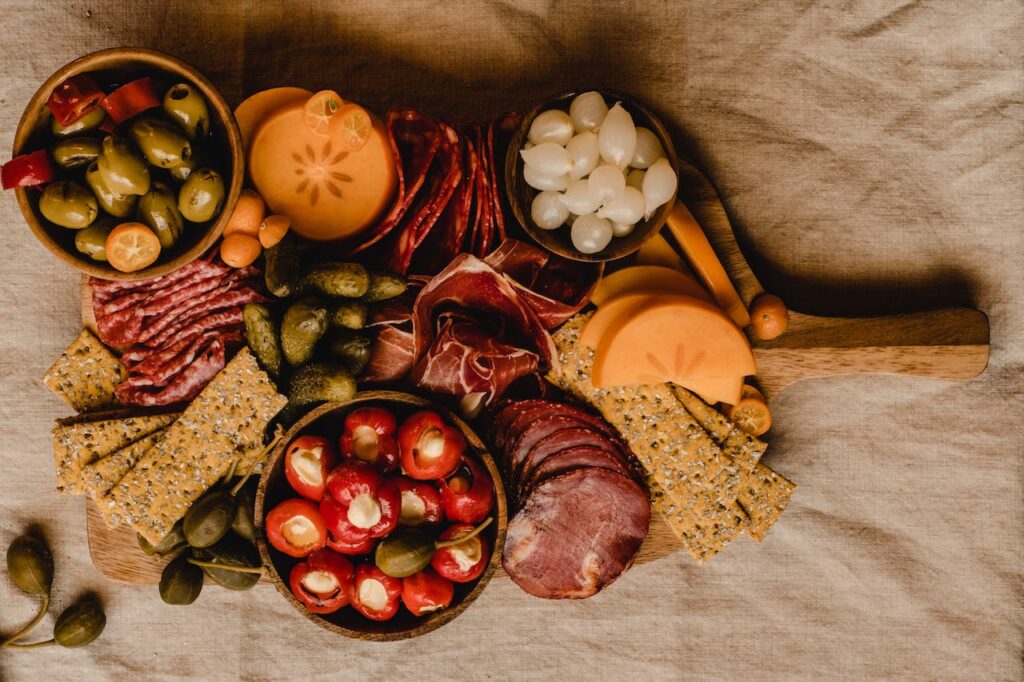
Explore how effective content marketing can unlock the potential of the solo cooking lifestyle, providing insights and strategies for food and kitchenware industries to expand their market reach.
I. Introduction
In the bustling world of culinary trends, a new narrative is simmering: the rise of solo cooking. Welcome to “Cooking for One, Selling to Many: Leveraging Content to Tap into the Solo Cooking Trend,” a strategic guide crafted for content marketing managers, directors, and coordinators within the food, kitchenware, and related industries. This exploration goes beyond mere recipes and kitchen gadgets; it’s a deep dive into the heart of individualized culinary experiences and how they open doors to expansive market opportunities.
Solo cooking isn’t just a fad; it’s a lifestyle choice gaining momentum in our fast-paced, individual-centric society. From the young professional putting together a quick meal post-workout to the senior enjoying a peaceful dinner, the solo cook represents a diverse, yet often overlooked, demographic. This article aims to equip you with the tools and insights needed to create content that resonates deeply with this audience. Through a blend of SEO optimization, engaging storytelling, and practical marketing strategies, we will uncover how to turn the singular act of cooking for one into an opportunity to connect with many, driving growth and innovation in your business. Join us as we explore the untapped potential of the solo cooking trend through the lens of targeted content marketing.
II. Understanding the Solo Cooking Demographic
A. Demographic Breakdown and Lifestyle Insights
The solo cooking demographic is as varied as it is vast, encompassing a range of individuals from the bustling college student to the busy single professional, and the active senior. Understanding their unique lifestyles is key. The college student might be looking for quick, budget-friendly meals, while the professional may prioritize health and efficiency. Seniors, on the other hand, might focus on nutritional value and ease of preparation. Tailoring content to each subgroup within this demographic can significantly enhance engagement.
B. Aligning Content with Solo Cooks’ Preferences
Solo cooks often value convenience, simplicity, and personalization. They are drawn to recipes that require minimal ingredients but deliver on flavor and nutrition. In kitchenware, they favor gadgets that are space-saving, easy to clean, and multifunctional. Crafting content that highlights these attributes, with keywords like ‘quick solo recipes,’ ‘compact kitchen gadgets,’ or ‘healthy meals for one,’ can attract this audience and improve SEO rankings.
C. The Role of Emotional Connection in Content
Creating an emotional connection through content is crucial. This could be through stories that resonate with the solo cook’s experience, like the joy of cooking a simple yet satisfying meal after a long day. Using narrative techniques and relatable scenarios can make content more engaging and relatable, leading to higher engagement and customer loyalty.
D. Using Data to Tailor Content Strategy
Utilizing data analytics is invaluable in understanding what resonates with the solo cook. This can include tracking engagement metrics on blog posts, social media interactions, and feedback from email newsletters. Such insights can guide content creation, ensuring it is both relevant and appealing to the target audience.
Understanding the solo cooking demographic is about more than just identifying a market segment; it’s about exploring the lifestyles, preferences, and emotional triggers of this diverse group. By aligning content with these insights and continually leveraging data to refine strategies, brands can create compelling content that not only engages solo cooks but also turns them into loyal customers.
III. The Power of Personalized Content
A. Crafting Content that Speaks to the Individual
In the realm of solo cooking, personalized content is not just beneficial; it’s essential. The key lies in creating content that addresses the unique challenges, desires, and joys of cooking for one. This can range from blog posts titled “Your Guide to Quick and Nutritious Solo Dinners” to videos like “Maximizing Your Meal with Minimal Ingredients.” Such content not only informs but also resonates on a personal level, establishing a connection that generic content cannot.
B. Utilizing Storytelling to Engage Solo Cooks
Storytelling is a powerful tool in content creation, especially for solo cooks who often seek a more intimate connection with the food they prepare. Sharing stories of other solo cooks, their challenges, and how they creatively use kitchen gadgets to whip up delightful meals can be incredibly engaging. For example, a feature story on a young professional who experiments with international cuisine in a tiny apartment kitchen can inspire and encourage others in similar situations.
C. Interactive Content for Enhanced Engagement
Interactive content, such as quizzes like “Discover Your Solo Cooking Style” or interactive meal planning tools, can significantly increase engagement. These elements not only provide value but also involve the audience directly, making the content more memorable and shareable. This approach not only enhances user experience but also aids in gathering data about preferences and behaviors, which can be used to further tailor content.
Personalized content is the cornerstone of effectively tapping into the solo cooking trend. By focusing on individual stories, creating interactive experiences, and addressing specific needs and interests, content creators can build a stronger, more meaningful connection with their audience. This approach not only increases engagement and loyalty but also positions the brand as a thoughtful and understanding ally in the solo cooking journey.
IV. Content Types That Resonate with Solo Cooks
A. Blog Posts and Articles: Educating and Engaging
Blog posts and articles are pivotal in educating and engaging solo cooks. They offer an opportunity to delve into topics that resonate deeply with this demographic, such as “10 Quick Solo Dinner Recipes” or “The Ultimate Guide to Single-Serving Nutrition.” These pieces should integrate keywords like ‘easy solo cooking’ and ‘healthy meals for one’ for SEO optimization. Additionally, incorporating tips, personal anecdotes, and user-friendly guides can make these articles not only informative but also relatable and engaging.
B. Video Content: Demonstrations and Storytelling
Video content is increasingly popular among solo cooks, offering a dynamic way to demonstrate cooking techniques or showcase kitchen gadgets. Creating videos like “5-Minute Meals for Busy Singles” or “Solo Cooking: A Week’s Meal Prep in Under an Hour” can visually engage and inspire the audience. Embedding these videos on your site and optimizing titles and descriptions with relevant keywords can enhance your SEO strategy and drive traffic.
C. Social Media: Building Community and Interaction
Social media platforms are ideal for building a community and encouraging interaction among solo cooks. Share quick cooking tips, photos of easy-to-make meals, or ask followers to post pictures of their own culinary creations. Use hashtags like #SoloChef or #CookingForOne to increase visibility. Engaging with followers through polls, stories, and direct interactions can create a sense of community and loyalty.
D. Email Marketing: Personalized Communication
Email marketing allows for personalized communication with your audience. Segmenting your email list based on user preferences can help in sending tailored content, such as weekly solo recipe roundups or exclusive offers on single-serve kitchen gadgets. Subject lines and email content should be crafted to resonate with the individual reader, enhancing the personal connection and effectiveness of your campaign.
E. Interactive Components: Quizzes and Polls
Integrating interactive components like quizzes or polls can significantly boost engagement. For example, a quiz titled “What’s Your Solo Cooking Personality?” can provide personalized recipe recommendations while engaging the user. Polls on preferred meal types or kitchen gadgets can also provide valuable insights into consumer preferences, aiding in content and product development.
F. Infographics: Simplifying Complex Information
Infographics can simplify complex information, making it more digestible and shareable. An infographic on “Nutritional Tips for Solo Cooking” or “The Evolution of Kitchen Gadgets for Singles” can provide valuable information in an easily understandable format. These can be used both on your website and social media channels, enhancing reach and engagement.
G. User-Generated Content: Leveraging Authenticity
Encouraging user-generated content, such as recipe submissions or cooking challenge entries, can add authenticity to your brand. Featuring customer stories or reviews can also build trust among potential customers. This approach not only provides genuine content but also fosters a community feeling among your audience.
H. SEO and Analytics: Refining Content Strategy
Use SEO tools and analytics to refine your content strategy. Monitor which types of content are most popular, adjust your approach based on user engagement, and continuously optimize content with relevant keywords and trends in the solo cooking space.
In summary, a diverse range of content types, from informative blog posts to engaging video content, interactive social media strategies, and personalized email marketing, can resonate with solo cooks. Incorporating SEO best practices and leveraging analytics for content refinement are essential in crafting a successful content strategy that connects with the solo cooking audience, driving both engagement and conversion.
V. SEO and Digital Marketing Strategies for the Solo Cooking Market
A. Identifying and Using Relevant Keywords
SEO is a cornerstone of digital marketing, especially in reaching niche markets like solo cooks. Identifying and using relevant keywords is essential for enhancing visibility. Keywords such as ‘solo cooking ideas’, ‘quick meals for one’, and ‘small portion recipes’ can be integrated into all content types. Long-tail keywords, more specific phrases like ‘healthy single-serving dinners’ or ‘compact kitchen tools for solo cooks’, are particularly effective in targeting specific searches and attracting a highly engaged audience.
B. Utilizing Analytics to Understand and Target Audience
Analytics tools play a crucial role in understanding the behavior and preferences of your audience. By analyzing data from website visits, content engagement, and social media interactions, you can gain insights into what content resonates with solo cooks. This data can inform future content creation, ensuring it is tailored to the interests and needs of your audience. For instance, if analytics reveal high engagement with content about easy-to-store kitchen gadgets, you might focus on producing more content in this area.
C. Integrating Social Media and Content Marketing
Social media is a powerful tool for engaging directly with your audience and driving traffic to your content. Platforms like Instagram, Pinterest, and Facebook are ideal for sharing visually appealing content like images of quick solo meals or short videos of kitchen gadgets in action. Engaging with followers through comments, polls, and stories can also enhance visibility and build a community around your brand. Use social media analytics to track which posts are most effective and refine your strategy accordingly.
D. Email Marketing: Nurturing Leads and Building Loyalty
Email marketing allows for direct and personalized communication with your audience. Regular newsletters featuring new recipes, cooking tips, or special offers on kitchenware can keep your brand top of mind. Segmenting your email list based on user interests and past interactions can enhance personalization, making each email more relevant and engaging. Tracking open rates and click-through rates can help you understand what content is most appealing to your subscribers.
E. Content Syndication and Partnerships
Content syndication, sharing your content on other websites or platforms, can expand your reach. Partnering with popular cooking blogs, online food magazines, or culinary forums to feature your content can introduce your brand to a wider audience. Similarly, collaborations with influencers in the cooking space can boost credibility and attract their followers to your brand.
F. Link Strategy: Internal and External Linking
A robust link strategy enhances SEO and user experience. Including internal links to other relevant content on your website can encourage readers to explore more of your content, increasing their time spent on your site. External links to authoritative sources add credibility and can improve your website’s search engine ranking. Ensure that all links are relevant and add value to the reader’s experience.
G. Adapting to Mobile Users
With the increasing use of smartphones for web browsing, ensuring your content is mobile-friendly is crucial. This includes having a responsive website design, fast loading times, and content that is easily readable on smaller screens. Mobile optimization can significantly impact your search engine ranking and user engagement.
H. Regular Content Updates and Refreshes
The solo cooking market is dynamic, with new trends constantly emerging. Regularly updating your content to reflect these trends keeps your website fresh and relevant. This could involve updating old blog posts with new information, republishing popular content, or creating new content that addresses current market interests.
Effective SEO and digital marketing strategies are key to tapping into the solo cooking market. By utilizing relevant keywords, leveraging analytics, integrating social media and email marketing, and ensuring mobile-friendly content, brands can effectively reach and engage solo cooks. Regular updates and strategic partnerships can further enhance reach, making your content a go-to resource for solo cooking enthusiasts.
VI. Leveraging User-Generated Content and Reviews
A. Encouraging Customer Reviews and Testimonials
User-generated content, particularly customer reviews and testimonials, is an invaluable asset for brands targeting solo cooks. Encouraging customers to share their experiences with your products or services not only provides authentic content but also helps build trust among potential buyers. For instance, featuring a customer’s review of a compact blender or a testimonial about how a meal kit service simplified their solo cooking routine can significantly influence purchasing decisions of others. Integrating a review section on your product pages and actively requesting feedback through email follow-ups can facilitate this process.
B. Showcasing Real-Life Solo Cooking Experiences
Creating a platform where solo cooks can share their cooking stories, recipes, or photos using your products adds a layer of authenticity and relatability to your brand. This could be a dedicated section on your website, a hashtag campaign on social media, or a monthly feature in your newsletter. For example, a photo contest on Instagram with a hashtag like #MySoloKitchenAdventure can engage your audience and provide valuable user-generated content that can be shared across your channels.
C. Building Trust and Authenticity Through User Engagement
User-generated content not only adds authenticity but also fosters a sense of community among your audience. Engaging with this content – whether it’s replying to comments, sharing user posts, or featuring customer recipes on your blog – shows that you value your customers’ input and experiences. This engagement not only strengthens customer loyalty but also enhances your brand’s credibility and trustworthiness.
D. Utilizing User Feedback for Product Improvement
Customer feedback is not just a tool for content creation; it’s also a source of invaluable insights for product improvement. Analyzing the feedback and reviews can help you understand the needs and preferences of your target market, enabling you to refine your product offerings and content strategy. For instance, if several reviews mention the need for more varied meal kit options, this could indicate a potential area for product development.
E. Integrating User Content in SEO Strategy
User-generated content can also be integrated into your SEO strategy. Reviews and testimonials naturally contain keywords and phrases that potential customers might use in search queries. By featuring this content on your website and optimizing it for search engines, you can improve your site’s organic search visibility and ranking.
In conclusion, leveraging user-generated content and reviews is a powerful strategy for brands in the solo cooking market. It not only provides authentic, relatable content that resonates with your audience but also builds trust, fosters community, and offers valuable insights for product improvement. Engaging with and utilizing this content effectively can greatly enhance your brand’s reputation and appeal in the solo cooking community.
VII. Measuring the Impact of Content on Sales and Engagement
A. Analyzing Consumer Engagement with Content
Measuring the impact of your content is essential in understanding its effectiveness in engaging solo cooks. Key performance indicators (KPIs) such as page views, time spent on content, social media shares, and comments provide valuable insights. For instance, high engagement on a blog post about “Efficient Meal Prep Strategies for Solo Cooks” indicates a strong interest in this topic, suggesting a potential area for further content development and product promotion.
B. Tracking Sales and Conversion Rates Linked to Content Campaigns
The ultimate goal of content marketing is to drive sales, making it crucial to track conversion rates linked to specific content campaigns. Analyzing sales data following targeted content releases, such as a video series featuring solo cooking gadgets, can reveal the direct impact of content on customer purchasing behavior. Tools like Google Analytics can help track the customer journey from content engagement to purchase, providing a clear picture of content effectiveness.
C. Adjusting Content Strategies Based on Metrics and Feedback
Regularly reviewing and analyzing content performance metrics is vital for refining your content strategy. This involves assessing which types of content are driving the most engagement and sales, and which are underperforming. Based on these insights, you can adjust your content plan to focus more on high-performing topics and formats. Additionally, customer feedback, both through direct comments and indirect engagement patterns, can guide future content creation to better meet the needs and interests of your target audience.
D. Utilizing A/B Testing to Optimize Content
A/B testing is an effective method to optimize your content for better engagement and conversion. This could involve testing different headlines, images, or call-to-actions in your content to see which variations perform better. For instance, testing two different email subject lines for a newsletter promoting a new line of single-serve kitchen appliances can help determine which is more effective in driving open rates and, subsequently, sales.
E. The Role of Content in Building Long-Term Customer Relationships
While immediate sales are important, the role of content in building long-term customer relationships should not be overlooked. Engaging and useful content can turn a one-time buyer into a loyal customer. Measuring repeat customer rates, customer lifetime value, and loyalty (such as subscription renewals for meal kits) can provide insights into how your content is contributing to long-term customer retention and brand loyalty.
In conclusion, measuring the impact of your content on sales and engagement is crucial for any content marketing strategy in the solo cooking market. By analyzing consumer engagement, tracking sales and conversion rates, and continuously refining your strategy based on these metrics, you can ensure that your content not only resonates with solo cooks but also drives tangible business results, fostering long-term customer relationships.
VIII. Future Directions in Content Strategy for Solo Cooking
A. Emerging Trends in Solo Cooking and Content Creation
The solo cooking landscape is constantly evolving, and staying ahead of trends is crucial for effective content strategy. Emerging trends like plant-based diets, sustainability in cooking, and smart kitchen technologies offer new avenues for content creation. For instance, producing a blog series on “Eco-Friendly Cooking for One” or videos showcasing the latest smart gadgets for small kitchens can tap into these trends, keeping your content fresh and relevant.
B. Adapting to Technological Advances and Changing Consumer Behavior
As technology advances, so do the ways in which consumers engage with content. Virtual and augmented reality (VR and AR) offer exciting possibilities for interactive cooking demonstrations, while AI-driven personalization can tailor content to individual user preferences. Adapting to these technological changes and understanding shifts in consumer behavior, like increased mobile usage for recipe searches, will be key in developing content that resonates with modern solo cooks.
C. Anticipating the Future Needs of Solo Cooks
Anticipating future needs and preferences of solo cooks allows for proactive content strategy planning. This might involve conducting surveys to gather insights about potential future trends or keeping a close eye on culinary innovation and lifestyle changes. For example, as more people embrace remote working, there might be an increased demand for content around preparing quick yet nutritious meals at home.
Looking ahead, the future of content strategy in the solo cooking market is dynamic and full of potential. By staying attuned to emerging trends, embracing new technologies, and proactively anticipating the evolving needs of solo cooks, brands can continue to create content that not only engages but also inspires this growing demographic. This forward-thinking approach is essential for maintaining relevance and continuing to captivate the solo cooking audience in an ever-changing culinary world.
IX. Conclusion
In navigating the nuanced world of solo cooking, the power of tailored content cannot be overstated. Through this exploration, “Cooking for One, Selling to Many: Leveraging Content to Tap into the Solo Cooking lifestyle,” we’ve uncovered how a focused content strategy can effectively resonate with individual cooking experiences, while simultaneously appealing to a broader market.
The key takeaways are clear: understanding the solo cook demographic is essential; personalized, engaging content is paramount; and staying agile with SEO and digital marketing strategies is vital. Incorporating user-generated content and reviews not only enriches the authenticity of your brand but also fosters a sense of community. Moreover, consistently measuring the impact of your content on sales and engagement ensures that your strategy remains effective and relevant.
As we look towards the future, staying attuned to emerging trends and technological advancements will be crucial in continuing to captivate the solo cooking audience. Brands that can skillfully adapt their content to meet these evolving needs will not only thrive in the current market but will also set the pace for future innovations in the solo cooking space.